








Arabic version: قرار المحكمة العليا يضعف سلطة ترامب في فرض الرسوم الجمركية
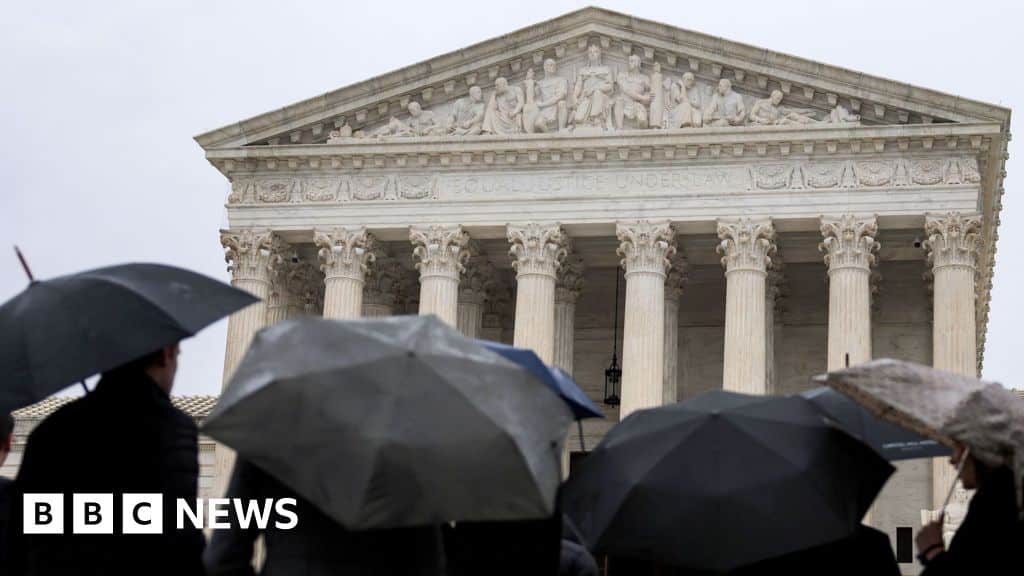
The Supreme Court has ruled against President Donald Trump’s ability to impose tariffs, a decision that could significantly impact his second-term agenda. According to BBC News, the court determined that Congress, not the president, holds the power to impose tariffs, rejecting Trump’s claims that the Emergency Economic Powers Act of 1977 granted him such authority.
In response to the ruling, Trump expressed his discontent during a hastily arranged press conference, criticizing the justices who voted against him. He indicated plans to reimpose tariffs through other presidential powers, including a new temporary 10% global tariff, which he announced he would sign on the same day.
This ruling marks a rare limitation on Trump’s executive authority, especially as the court has previously allowed him to advance his agenda in other areas, such as immigration. The decision is expected to weaken Trump’s negotiating position with international trading partners, as it diminishes his ability to impose tariffs unilaterally.
Additionally, the ruling raises questions about the future of tariff revenues collected by the Trump administration, with the Supreme Court leaving these matters for lower courts to decide. The logistics of imposing new tariffs may become more complex, requiring detailed justifications from government agencies, which could slow down the process significantly.
The decision poses a challenge for Trump as he prepares for his upcoming State of the Union Address, where he will face the justices who limited his tariff powers. With midterm elections approaching and narrow Republican majorities in Congress, seeking explicit authorization for tariffs may prove difficult, potentially reducing the political vulnerability of some of Trump’s allies in Congress who have faced backlash over the economic impact of his tariffs.


