Arabic version: الولايات المتحدة وإسرائيل تعدلان استراتيجياتهما مع تراجع استخدام إيران للصواريخ
According to BBC News,
US President Donald Trump claims his country has a “virtually unlimited supply” of key weapons. Iran’s Defence Ministry says it has “the capacity to resist the enemy” for longer than the US had planned. Weapons stocks and supplies alone will not decide the outcome of this conflict – Ukraine has long been outnumbered and outgunned by Russia – but it’s certainly a significant factor. The tempo of operations has been high from the start. Both sides will already be using up weapons faster than they can be produced. The Tel Aviv-based Institute for National Security Studies (INSS) estimates that the US and Israel have already carried out more than 2,000 strikes, each involving multiple munitions. The INSS says Iran has already launched 571 missiles and 1,391 drones. Many will have been intercepted.
Western officials say they have already seen a decrease in the number of missiles Iran is firing – down from hundreds in the first day of the war to dozens now. US Central Command (Centcom) says there’s been a 86% decrease in ballistic missile launches by Iran since the first day of the fighting on Saturday. Additionally, drone launches from Iran have dropped by 73%. The declining rates suggest Iran may be attempting to conserve its military resources, though sustaining production remains a challenge.
The US and Israel now have air supremacy over Iran. Most of Iran’s air defenses have been destroyed. The focus of the next phase of the conflict will be on hunting down Iran’s missile and drone launchers, its weapons stockpiles, and destroying the factories that produce them. However, completely eliminating these resources poses difficulties due to Iran’s vast size and the historical limitations of air warfare.
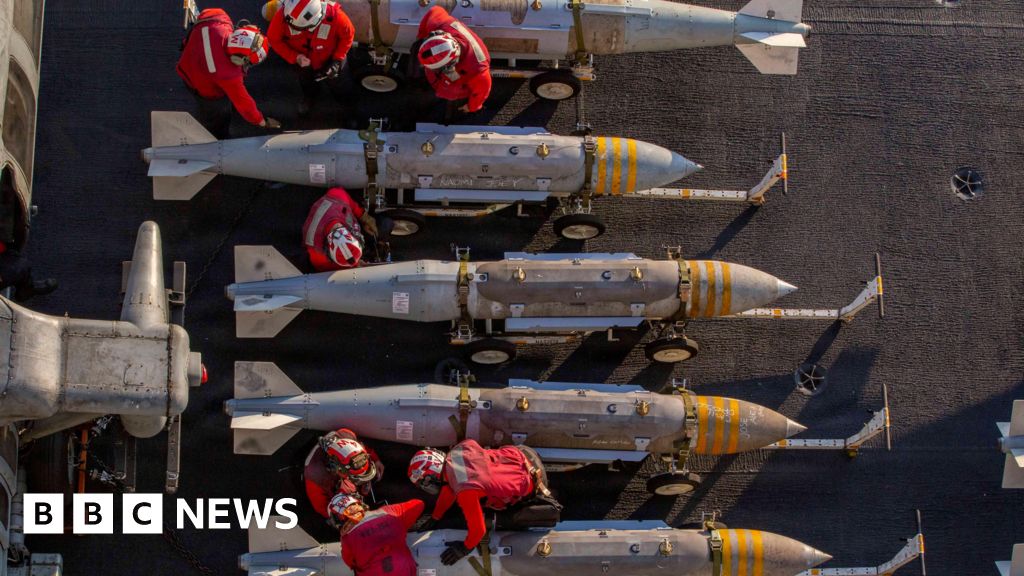
Despite the US military’s robust capabilities, it relies on costly precision-guided weapons produced in limited quantities. Trump is reported to have called a meeting with defense contractors later this week to press them to speed up production, indicating concerns over the sustainability of US resources. While the US can continue offensive operations with less expensive munitions, the air defense aspect remains precarious, particularly with the high demand for Patriot missiles.
Experts suggest that while the US can maintain its offensive capabilities for an extended period, the defense of its assets may become increasingly complicated. The situation highlights the delicate balance of military resources as the conflict continues to evolve.