








Arabic version: خطر انهيار المباني في طرابلس: حالة ‘قنبلة موقوتة’
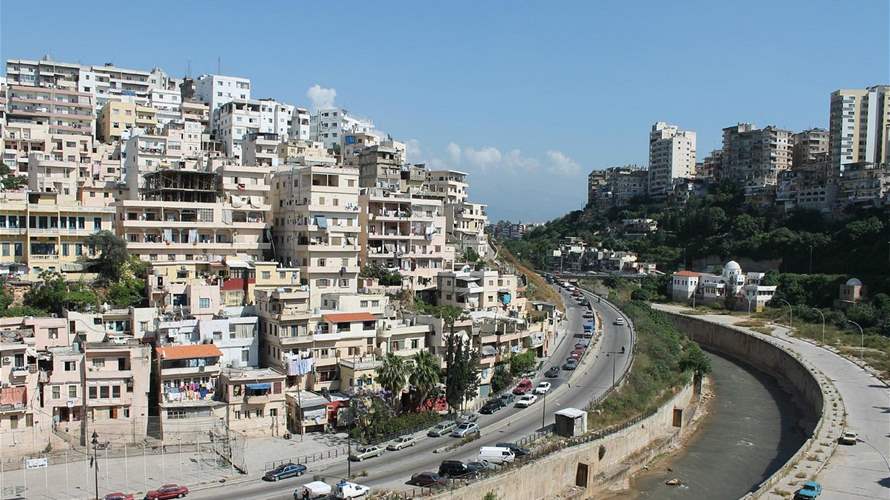
Tripoli, the capital of Lebanon, is facing a looming crisis as many of its buildings are at risk of collapse, leading experts to describe the situation as a ‘time bomb’. The deteriorating state of infrastructure is attributed to a combination of factors, including the economic crisis that has gripped the country, lack of maintenance, and the aftermath of the devastating 2020 Beirut port explosion.
In recent years, thousands of buildings across Tripoli have fallen into disrepair, with many structures lacking the necessary safety measures. Engineers and urban planners warn that the combination of neglect and the impact of natural disasters could lead to catastrophic outcomes. The buildings, some of which date back to the Ottoman era, are particularly vulnerable, and their structural integrity has been compromised over time.
Local authorities have acknowledged the problem but have struggled to implement effective solutions due to a lack of funding and resources. The ongoing economic downturn has severely limited the government’s ability to invest in infrastructure improvements, leaving many residents living in fear of potential collapses.
Residents of Tripoli have expressed their concerns, with many stating that they feel unsafe in their homes. “Every time there’s a storm, I worry that my building might collapse,” said one resident. Community leaders are calling for immediate action from the government to assess the risk of building collapses and to prioritize safety measures.
In response to the growing concerns, some NGOs and community organizations have started initiatives to raise awareness about the dangers of living in dilapidated buildings. They are urging residents to report any signs of structural damage and to advocate for government intervention.
Experts suggest that a comprehensive plan is needed to address the deteriorating state of buildings in Tripoli. This plan should include thorough inspections, renovation of at-risk structures, and the establishment of stricter building codes to prevent future hazards.
As the situation continues to unfold, the residents of Tripoli remain hopeful that their voices will be heard, and that action will be taken before it is too late. The clock is ticking, and the need for safety has never been more urgent in this historic city.



