







Arabic version: إجلاء طرابلس في لبنان يعالج أزمة الصحة والخدمات الاجتماعية
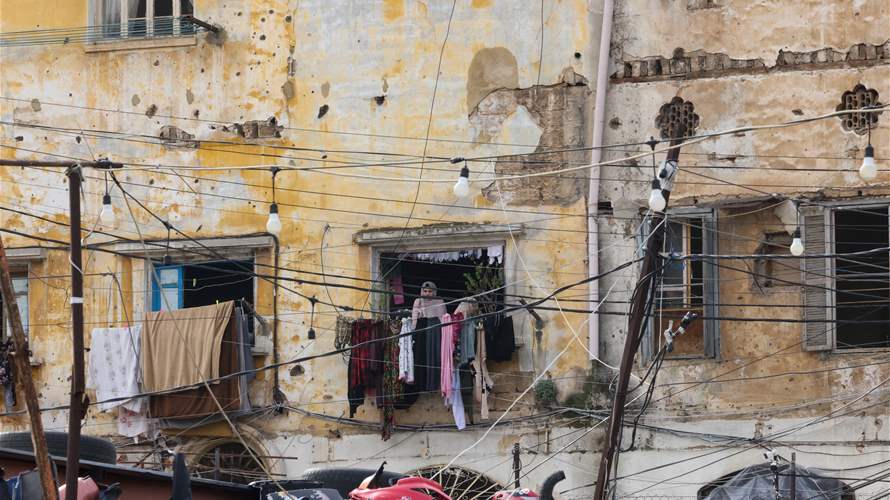
In a decisive move to tackle the ongoing social and health crisis, authorities in Tripoli, Lebanon, have evacuated 21 buildings deemed unsafe for habitation. This action comes amidst rising concerns over public health and safety, particularly in light of the deteriorating living conditions faced by many residents. The evacuations were carried out by the Lebanese Army and local officials, who have been working to identify and address various risks associated with the aging infrastructure in the area.
The decision to evacuate these buildings is part of a broader initiative aimed at improving the overall health and safety of communities throughout Lebanon. Many buildings in Tripoli, some of which date back several decades, have been left in disrepair, posing significant risks to their inhabitants. The government has acknowledged that urgent action is necessary to prevent potential disasters, particularly in light of recent incidents where structures have collapsed due to neglect.
Residents of the evacuated buildings were given temporary accommodations and assistance as they transition to safer living conditions. Local authorities have emphasized their commitment to ensuring that those affected receive the support they need during this challenging time.
This evacuation is not an isolated incident but part of a larger strategy to address the pervasive issues of poverty and inadequate housing that plague many areas in Lebanon. With the country grappling with economic instability, the government is under increasing pressure to provide adequate housing and social services to its citizens.
In recent months, Lebanon has faced numerous challenges, including a financial crisis, widespread protests, and the lingering effects of the COVID-19 pandemic. These issues have exacerbated existing social tensions and have led to a growing sense of urgency among officials to implement meaningful reforms.
As the government ramps up its efforts to improve public safety and health, it remains to be seen how these initiatives will be received by the population. Many citizens are hopeful that these actions will lead to long-term improvements in their living conditions. However, skepticism persists, as past efforts have often fallen short of expectations.
The situation in Tripoli highlights the critical need for comprehensive urban planning and investment in infrastructure throughout Lebanon. Experts argue that without significant changes to the way housing and public services are managed, the country will continue to face similar crises in the future.
As Lebanon moves forward, the focus will be on not only addressing immediate safety concerns but also on creating sustainable solutions that will benefit all citizens in the long run.



