








Arabic version: ابنة كيم جونغ أون تظهر كقائدة محتملة مستقبلية لكوريا الشمالية
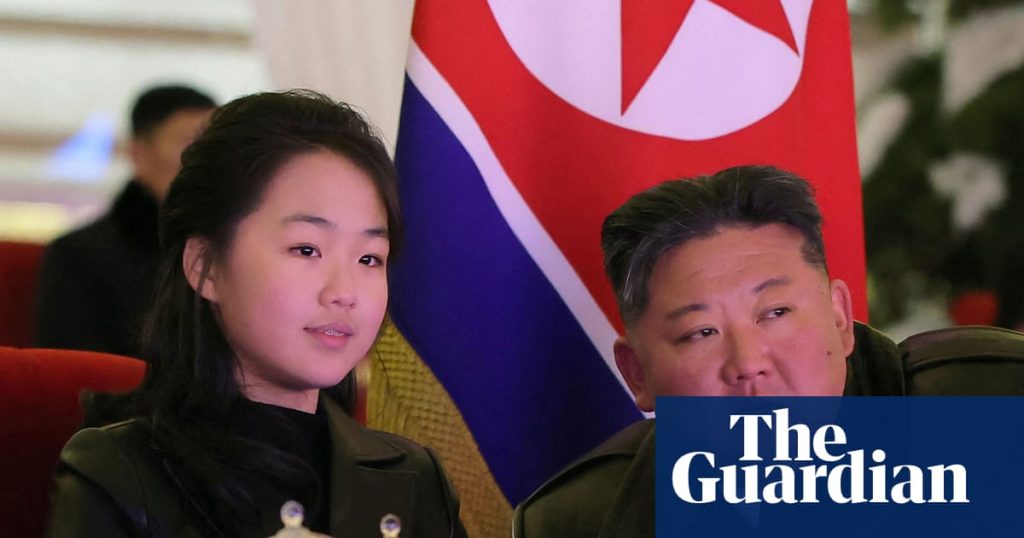
In a significant development within North Korea’s political landscape, Kim Jong-un’s daughter, Ju Ae, has begun to take a more prominent role in the public eye, leading to speculation about her future as a potential leader of the nation. During a recent public event marking the anniversary of the founding of the Korean People’s Army, Ju Ae was seen alongside her father, drawing attention from both domestic and international observers. This appearance is seen as a strategic move by Kim Jong-un to solidify his family’s legacy and prepare for a future transition of power.
Analysts suggest that Ju Ae’s increasing visibility may indicate that Kim Jong-un is positioning her as his successor, especially given the regime’s focus on dynastic leadership. The North Korean leader has not publicly named a successor, but Ju Ae’s involvement in state affairs has sparked discussions about the possibility of her rising to a leadership role in the future.
The young girl, who is reportedly around 10 years old, has been introduced to various state functions, often accompanying her father during significant events. Observers note that her presence at these gatherings is not merely ceremonial; it is a calculated move to introduce her to the public and establish her as a figure of authority. With North Korea’s history of dynastic rule, the prospect of Ju Ae taking the reins is both intriguing and concerning for many.
Experts point out that while Ju Ae’s emergence is notable, it is essential to consider the broader context of North Korean politics. The regime remains tightly controlled, and any succession plan would likely involve significant internal power dynamics. The military and senior party officials will play crucial roles in determining the future leadership direction of the country.
International reactions to Ju Ae’s potential rise have been mixed. Some analysts express concern that her ascension could lead to a continuation of the hardline policies characteristic of her father’s regime. Others argue that a younger leader might be more adaptable and open to change, potentially leading to a shift in North Korea’s approach to international relations.
As North Korea grapples with ongoing economic challenges and diplomatic isolation, the world watches closely to see how the situation evolves. The emergence of Ju Ae as a public figure may signal a new chapter in the Kim dynasty’s leadership, but the implications for North Korea and its relations with the outside world remain uncertain.
In conclusion, while it is too early to predict Ju Ae’s future role definitively, her presence in the political sphere is a clear indication of Kim Jong-un’s intentions regarding the future leadership of North Korea. As the regime prepares for the next generation, the global community remains vigilant, aware that the actions taken in Pyongyang will have far-reaching consequences for regional stability and international diplomacy.



