








Arabic version: إسرائيل تخطط للسيطرة طويلة الأمد على جنوب لبنان بعد النزاع
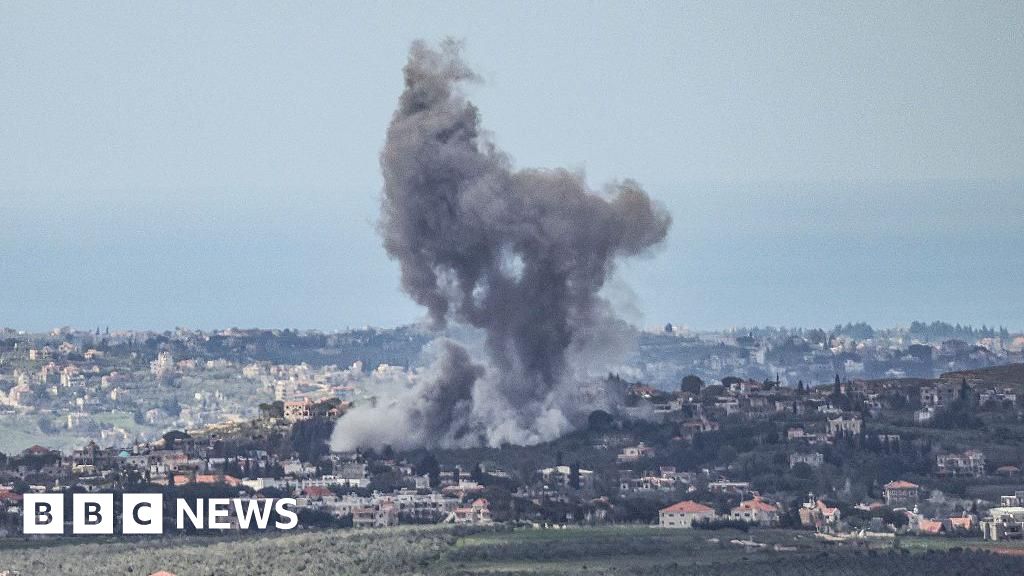
Israel’s defense minister, Israel Katz, announced that the country will maintain control over a portion of southern Lebanon even after the ongoing conflict with Hezbollah concludes. According to BBC News, Katz stated that a buffer zone would be established, extending up to the Litani River, approximately 30 kilometers from the Israeli border. He also mentioned plans to demolish all houses in Lebanese villages near the border.
Lebanon’s social affairs minister, Haneen Sayed, criticized these plans as a significant violation of Lebanon’s sovereignty. The announcement has faced backlash from various European nations, Canada, and the United Nations. Since the escalation of conflict beginning on 2 March, over 1,238 people have died in Lebanon, including at least 124 children and 52 health workers, while Israeli casualties include 10 soldiers and two civilians.
Katz elaborated on Israel’s military objectives, emphasizing that the Israel Defense Forces (IDF) would create a security zone inside Lebanon to protect northern Israeli communities from Hezbollah attacks. He indicated that the return of more than 600,000 displaced residents from southern Lebanon would be prohibited until safety is assured for the northern residents.
Lebanon’s government is preparing for the possibility of long-term displacement as a result of these developments. Sayed expressed concerns over the potential land grab by Israel, labeling it as unacceptable. UN aid chief Tom Fletcher highlighted the worsening humanitarian crisis, noting that many healthcare facilities have been forced to close or operate at reduced capacities due to the ongoing violence.
The international community, including Canadian Prime Minister Mark Carney and foreign ministers from ten European countries, has condemned Israel’s actions, calling them illegal and urging respect for Lebanon’s territorial integrity. The current situation has reignited fears of civil unrest within Lebanon, particularly concerning Hezbollah’s influence in the region.


