








Arabic version: تدريبات إيران العسكرية تزيد من المخاوف بشأن مضيق هرمز
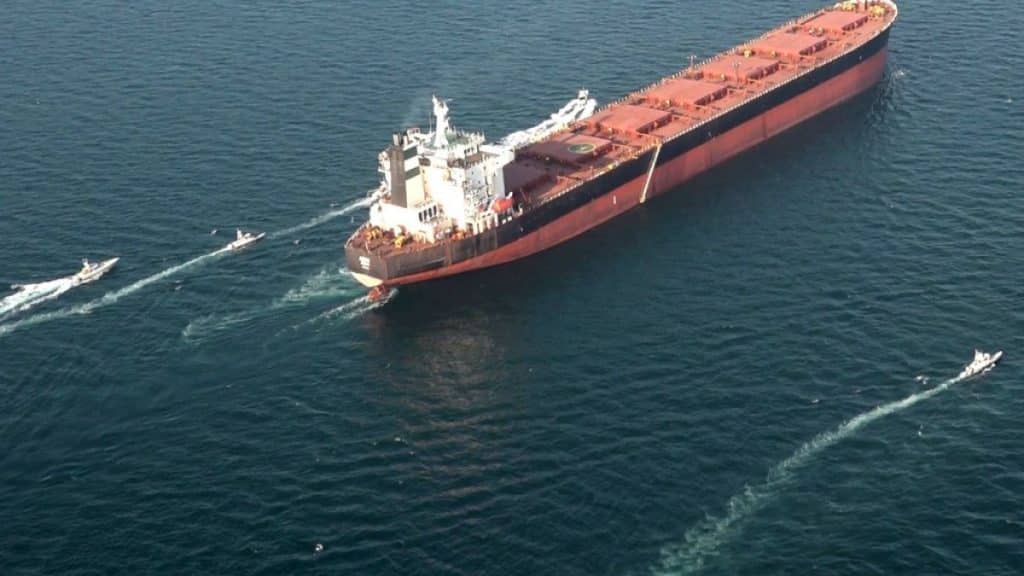
The Strait of Hormuz, a crucial maritime corridor for global oil and gas supplies, is once again at the center of tensions between Iran and the United States. The deployment of the USS Gerald R Ford, the world’s largest warship, to the Gulf marks one of the largest U.S. military build-ups in the region since the 2003 invasion of Iraq. This escalation follows Iran’s recent announcement of temporary closures in parts of the strait, a strategic warning to Washington regarding potential military actions.
According to Al Jazeera, Iranian military exercises conducted on February 17, 2026, included live-fire drills in the Strait of Hormuz, signaling Tehran’s readiness to respond to any U.S. threats. This narrow waterway is vital, with approximately 20% of the world’s oil passing through it, making any disruption a significant concern for global energy markets.
The Strait of Hormuz, which connects the Gulf to the Arabian Sea, is about 50 kilometers wide at its entrance and narrows to about 33 kilometers at its tightest point. It plays a critical role in global energy trade, with around 20 million barrels of oil transiting daily, representing nearly $500 billion in annual trade. The strait also facilitates a significant portion of liquefied natural gas (LNG) shipments, predominantly from Qatar.
Iran’s ability to control the strait is bolstered by international law, which grants states sovereignty up to 12 nautical miles from their coastlines. Iran’s parliament has previously approved measures to close the strait if necessary, with the final decision resting with Supreme Leader Ali Khamenei. Iran’s military capabilities include fast boats and submarines, which could be employed to obstruct traffic if tensions escalate.
Experts warn that any prolonged disruption in the Strait of Hormuz could lead to significant spikes in global oil prices, potentially exceeding $100 per barrel. Such an increase would have far-reaching effects on the global economy, particularly affecting major Asian economies that rely heavily on energy shipments through the strait. Rising fuel costs could drive inflation, impacting consumers worldwide and exacerbating economic challenges across various sectors.


