








Arabic version: إيران تسمح للسفن العراقية بالعبور عبر مضيق هرمز
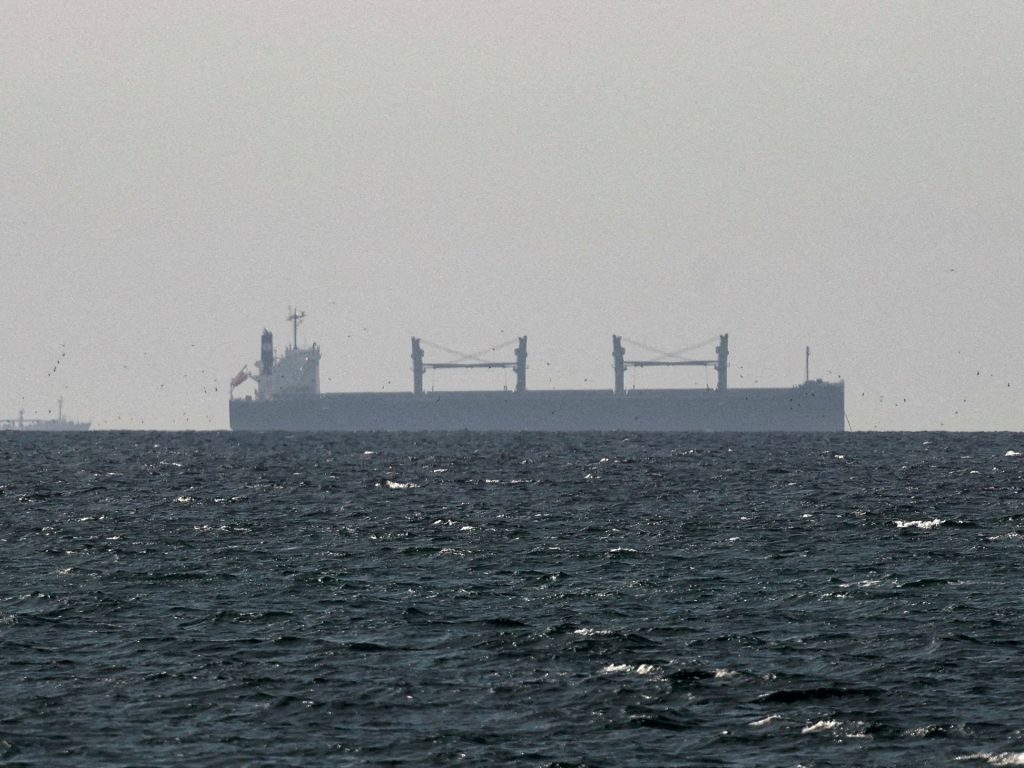
Iran has announced that Iraqi ships are free to pass the Strait of Hormuz, the latest sign of Tehran easing its stranglehold on the critical conduit for global energy supplies. Iraq will be exempt from all restrictions in the strait, with controls only applying to “enemy countries,” Iran’s Khatam al-Anbiya Central Headquarters said in a statement on Saturday. According to Al Jazeera, the military command expressed respect for Iraq’s national sovereignty, recognizing the country’s struggles against American occupation.
This development follows recent statements from U.S. President Donald Trump, who reiterated his demands for Iran to negotiate or face severe consequences. In response, Iran’s military command rejected Trump’s demand, calling his threat a “helpless, nervous, unbalanced and stupid action.” The Strait of Hormuz has been effectively blockaded since the onset of the conflict between the U.S. and Israel against Iran, which began on February 28.
Despite the blockade, maritime traffic has seen a slight increase, with 53 transits reported last week, the highest since the conflict began. However, this figure remains over 90 percent lower than normal levels. Notably, a French container ship and a Japanese-owned tanker crossed the strait recently, marking the first apparent transits from these countries since the war started.
The disruption in shipping through the strait has significantly impacted global energy markets, leading to rising fuel prices and prompting emergency energy conservation measures in various nations. Brent crude prices have remained above $109 a barrel, with analysts warning of potential further increases if the strait remains obstructed.
Iraq’s oil production has also suffered due to the conflict, with the Ministry of Oil reporting a drop from 4.3 million barrels per day to 1.2 million barrels. This decline is attributed to the effective halt of exports through the Strait of Hormuz, which is crucial for Iraq’s economy and revenue generation. In 2023, Iraq was the world’s sixth-biggest oil producer, accounting for 4 percent of global supply.


