








Arabic version: اجتماع الاتحاد الأوروبي مع طالبان يثير غضب المدافعين عن حقوق الإنسان
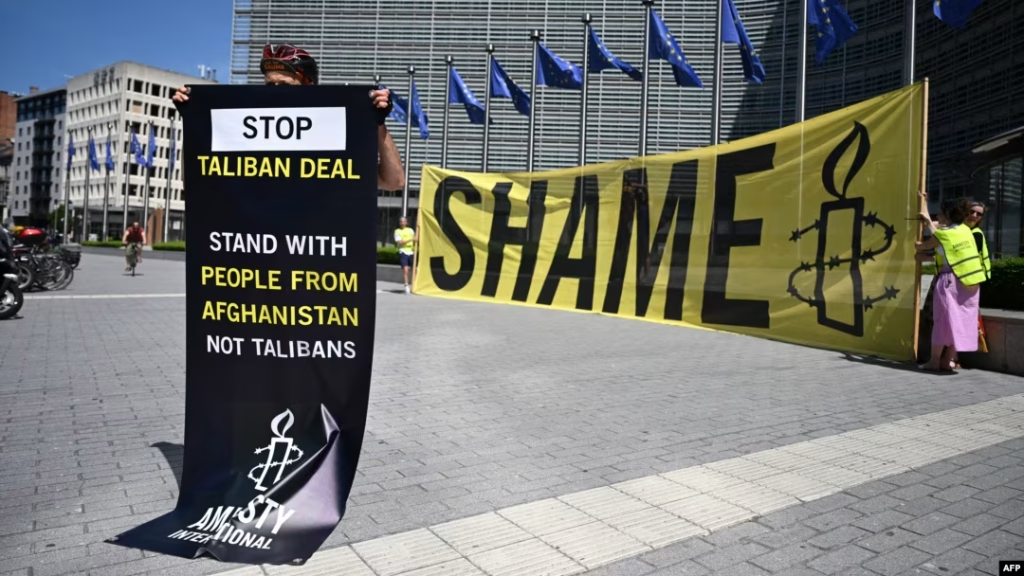
The European Union’s plans to host a Taliban delegation in Brussels have drawn intense criticism from rights campaigners and Members of the European Parliament (MEPs). They argue that the meeting risks legitimizing a regime known for its severe restrictions on women’s rights, including a ban on girls attending school past the sixth grade and efforts to erase women from public life. According to The Guardian, the Taliban’s foreign ministry confirmed the delegation’s travel to Brussels after the Belgian government issued five single-day visas.
This meeting marks the first time since the Taliban regained power in 2021 that EU officials have engaged directly with the group. The agenda reportedly included discussions on resuming consular services for Afghans in the EU and building trust between the two entities. However, critics, including Nobel laureate Malala Yousafzai, expressed deep concern, stating that such interactions contradict the EU’s core values and principles.
The EU’s willingness to cooperate with the Taliban stands in stark contrast to the European Parliament’s repeated resolutions condemning the regime’s actions. MEP Juan Fernando López Aguilar condemned the meeting as an outrage, arguing that it undermines the credibility of the EU. He emphasized that the EU should not allow the far-right narrative around immigration to dictate its policies, especially when many Afghans are fleeing persecution and seeking safety.
The humanitarian crisis in Afghanistan is dire, with about 40% of the population facing hunger. Rights organizations have voiced alarm over the potential for deportations of Afghans back to a country where they could face severe human rights violations, including torture and arbitrary detention. An open letter from 83 human rights groups highlighted the risks faced by women in Afghanistan, stating that forced returns would expose them to violence and deprivation of rights.
While the EU maintains that the meeting does not signify recognition of the Taliban, experts warn that such engagements could lead to a normalization of relations. Shagofah Ghafori from the Centre for European Policy Studies cautioned against the quiet erosion of principles in favor of transactional dealings. The EU’s approach raises concerns about compliance with international obligations regarding the treatment of individuals at risk of persecution upon their return to Afghanistan.


