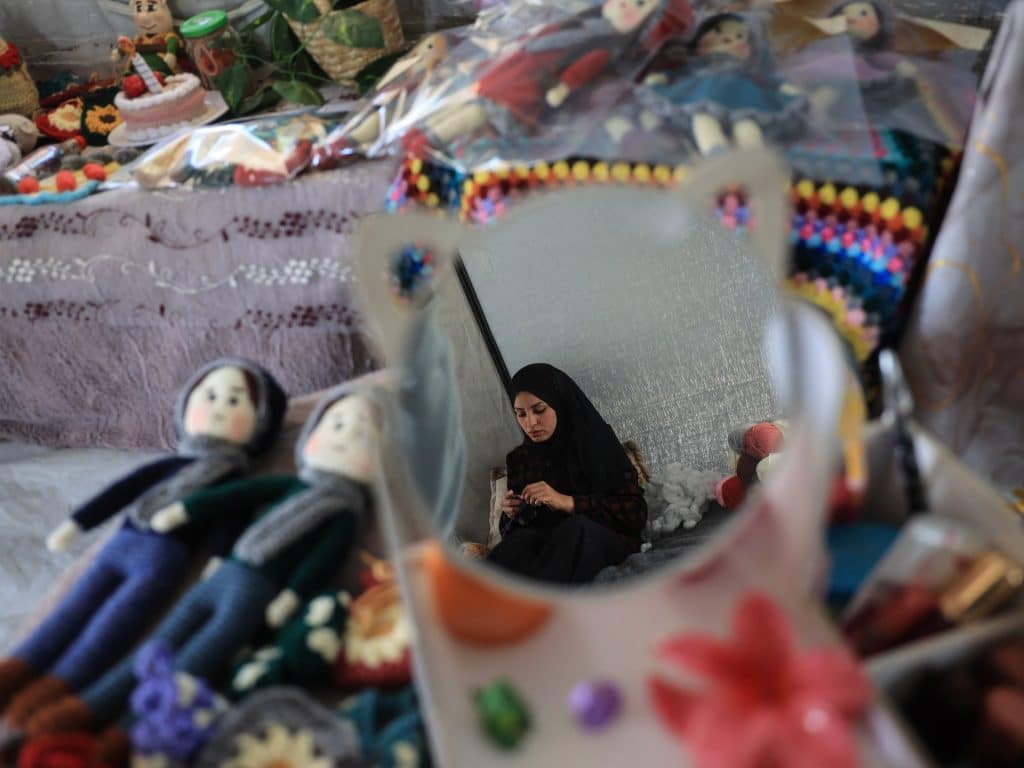
Arabic version: تقلص احتفالات العيد بسبب الصعوبات الاقتصادية في غزة
As Eid al-Fitr approaches, millions in Gaza face severe economic challenges, exacerbated by Israel’s tightening restrictions on the flow of goods and aid. What should be a festive occasion marked by joy and family gatherings has turned into a time of anxiety and hardship for many residents. According to Al Jazeera, the current crisis stems from a complex interplay of the Israeli occupation, local market dynamics, and broader regional strategies.
The economic situation in Gaza is not simply a result of inflation; it is a direct consequence of external pressures and military actions. Israel has increasingly used conflicts in neighboring regions, such as those involving Iran and Lebanon, as justifications for tightening border controls and intensifying military pressure on Gaza. This has left residents grappling with soaring prices and shortages of essential goods.
Basic commodities have become unaffordable for many. For instance, the price of tomatoes has skyrocketed from 3 shekels ($0.97) to 20 shekels ($6.48), while cooking gas costs have surged to 80 shekels ($25.92) for an 8kg cylinder. Families are now faced with the daunting task of allocating a significant portion of their monthly budget just to secure cooking gas. Electricity prices have also surged from 18 shekels ($5.83) to 25 shekels ($8.10), further straining household finances. The situation has made even the simplest Eid traditions unattainable for many families.
Traders are exploiting the economic fragility by unjustifiably hiking prices, which only intensifies feelings of injustice among the population. The ongoing military pressure and repeated violations of ceasefire agreements have turned Gaza into a focal point of broader regional tensions, complicating the humanitarian situation further.
As Eid al-Fitr approaches, the holiday has become a poignant reminder of the struggles faced daily by families in Gaza. With essential items like meat, vegetables, and cooking gas now considered luxuries, many are forced to choose between celebrating their traditions and meeting their basic needs. The situation calls for urgent international intervention to ensure humanitarian aid and protect civilians from exploitation in these trying times.