






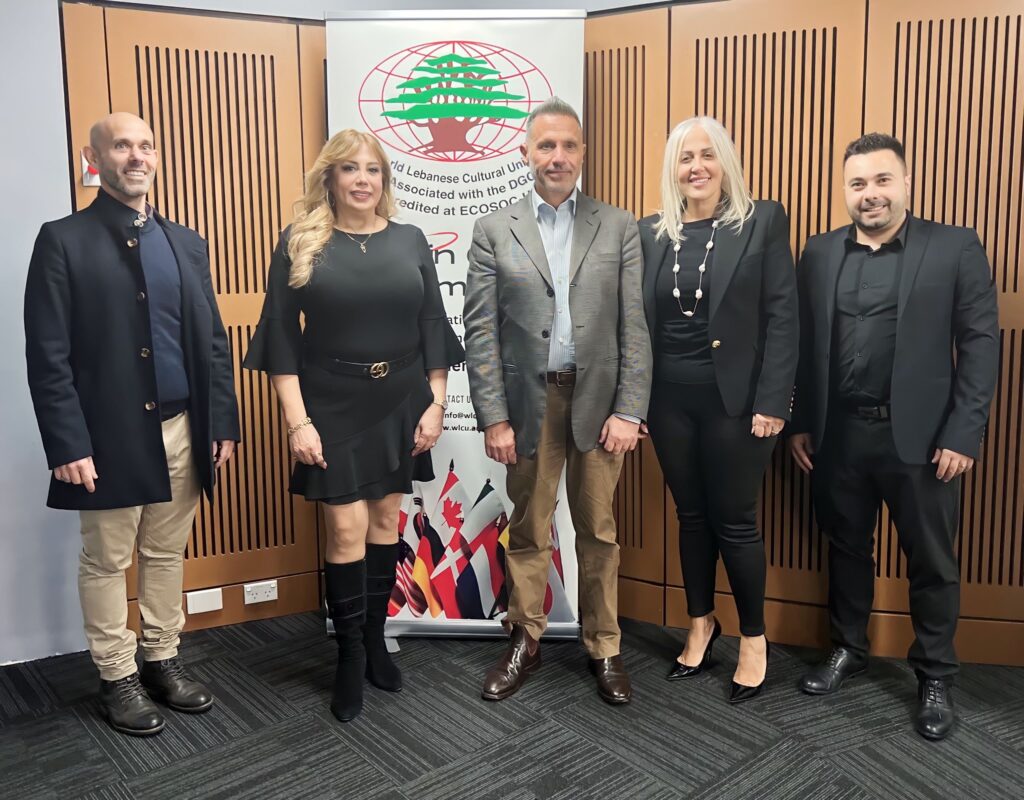
A symposium regarding the ongoing Syrian refugee crisis in Lebanon was held at the Strathfield campus of the Australian Catholic University (ACU) on the afternoon of May 20th. The event was hosted by the World Lebanese Cultural Union (WLCU) and took place in one of the campus auditoriums. It consisted of speeches by executive members within the WLCU and community members.
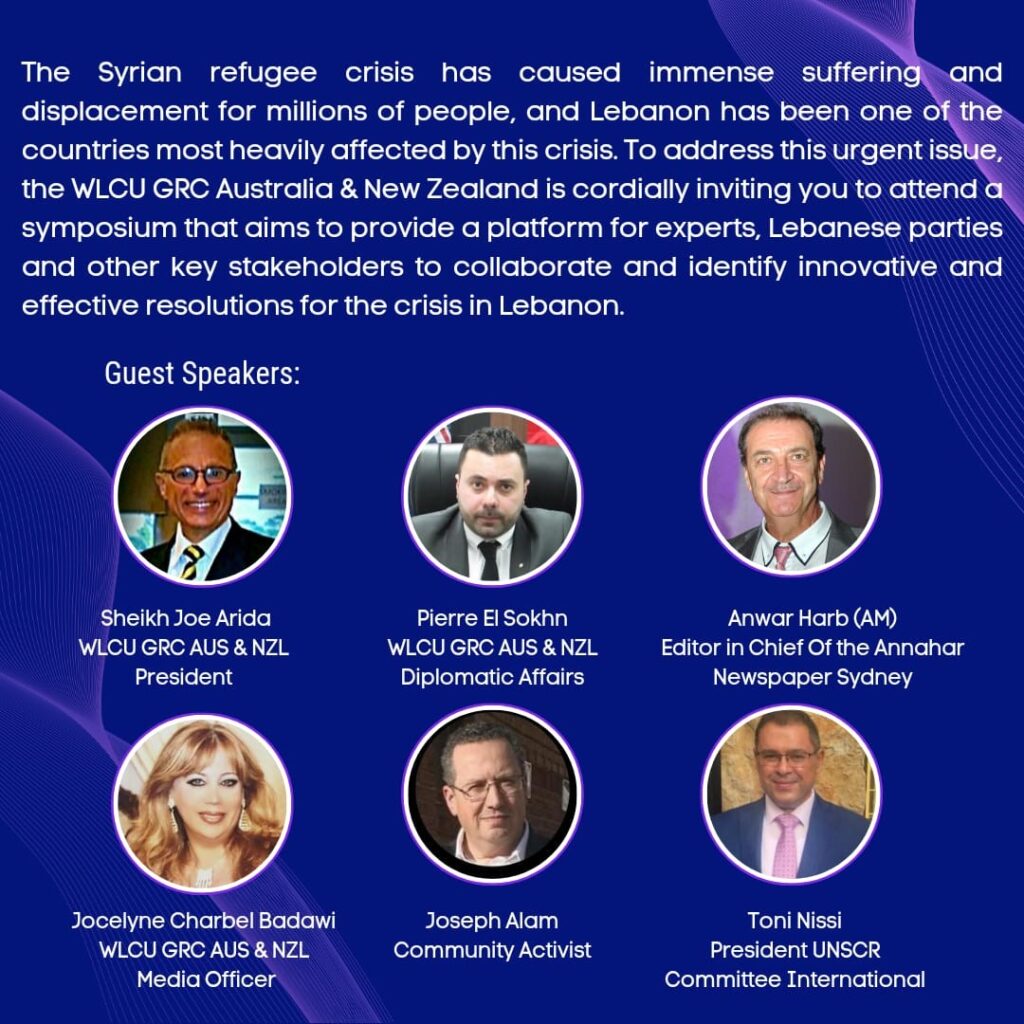
All the speeches centered around the refugee crisis, with a heavy emphasis on the safe return of refugees to Syria, allowing them to effectively rebuild their lives. The crisis began in 2011 when the Syrian civil war broke out, leading to a significant number of Syrians fleeing to neighboring countries, particularly Lebanon. This crisis has caused various issues within Lebanon, including the occupation of land and a large population of Syrians among the Lebanese. Additionally, there is a perceived unfairness as Syrian refugees have been able to accept financial aid from the United Nations, while Lebanese citizens have not been able to access their money in the banks.
The first speaker was Joe Arida, the current President of the WLCU in Australia. Arida explained that the refugee crisis has “highlighted the need for coordinated, international responses to address this significant humanitarian crisis before it becomes too late.” He also expressed his strong desire and willingness to work alongside relevant parties to safely relocate the refugees back to Syria and assist them in rebuilding their livelihoods.
Following Arida’s speech, Pierre El Sokhn, the head of diplomatic affairs for the WLCU, Jocelyne Charbel Badawi, the head media officer, Anwar Harb, the editor-in-chief of the Annahar Newspaper Sydney, and Joseph Alam, a community activist, delivered speeches. Their messages were nearly unanimous in stating that the Syrian refugees need to return to their homeland. The speakers also emphasized the need to respect the distinctive differences between Syrians and Lebanese. These speeches reflected the beliefs of Lebanese political parties such as the Kataeb and the Lebanese Forces, which staunchly advocate for Lebanese independence and sovereignty from foreign entities.
There was also a consensus of dissatisfaction with the United Nations for not taking more affirmative action to relocate the refugees and provide them with necessary funds for survival, as the native Lebanese face limited access to these resources, including their personal funds in banks. The final speaker, Patrick Ayoub, son of Laudy Farah Ayoub, the current President of Kataeb Australia, delivered a speech reading a letter that will be presented to UN officials next month. The letter addresses the unfair situation in Lebanon and the urgent need for the UN to intervene and help facilitate the safe return of the refugees to Syria. The speech also condemned the Lebanese government for its ineptitude in adequately addressing the crises in Lebanon.
