Arabic version: هيمنة إسرائيل على الطاقة تثير القلق لدى الدول العربية
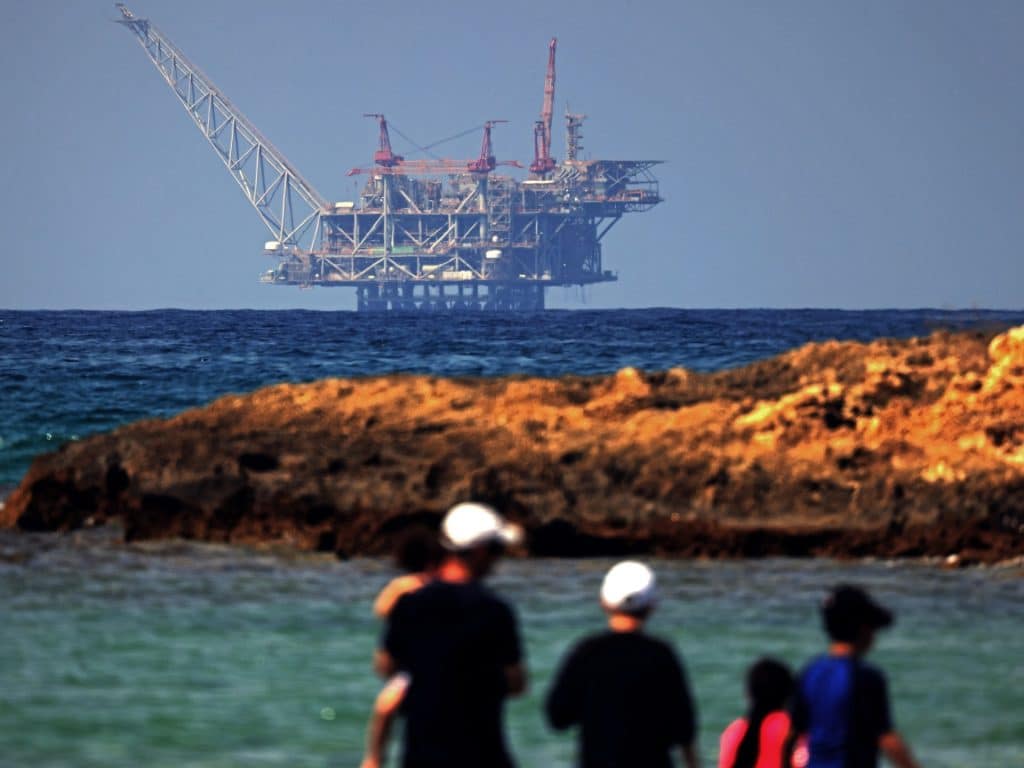
Reports indicate that Jordan and Egypt have cut off gas supplies to Syria as the US-Israeli war on Iran escalates. This shift highlights Israel’s increasing control over regional energy resources, which could further its colonial ambitions. According to Al Jazeera, the energy dynamics in the region are undergoing significant changes.
In January, Egypt began supplying 2.8 million cubic metres (98.9 million cubic feet) of gas per day to Syria through the Arab Gas Pipeline, while Jordan’s state-owned National Electric Power Company signed a deal with the Syrian Petroleum Company for the supply of 4 million cubic metres (141.2 million cubic feet) of gas daily. However, both countries face a dilemma regarding their own gas sources. Egypt’s local production has declined, hitting a six-year low of 49.3 billion cubic metres (1.7 trillion cubic feet) in 2024, leading to increased reliance on Israeli gas imports. Despite being a gas importer, Egypt signed a $35 billion agreement to import Israeli gas until 2040, raising questions about the origins of the gas supplied to Syria.
Jordan, with local production accounting for less than 5 percent of its gas needs, also relies heavily on imports, primarily from Israel. When queries arose about the source of Jordanian gas to Syria, a Syrian official indicated that the imported gas was “not of Jordanian origin”, but was rather liquefied natural gas bought from global markets, further complicating the regional energy landscape. The Arab Gas Pipeline, once a symbol of joint Arab development projects, has effectively become a conduit for Israeli gas.
The interdependence created by this energy network places significant power in Israeli hands. Disruptions in Israeli gas supplies have immediate repercussions for Jordan and Egypt, forcing them to activate emergency plans. This dependency on Israeli energy raises concerns for Lebanon and Syria, who are integrating into this network out of necessity, potentially sidelining their own energy development efforts.
While Syria and Lebanon possess substantial untapped gas reserves, developing these resources would require overcoming significant political and financial hurdles. The current energy landscape serves as a reminder of how economic power can shape geopolitical realities, with Israel’s influence growing through both military and energy means.