






Damsana Ranadhiran
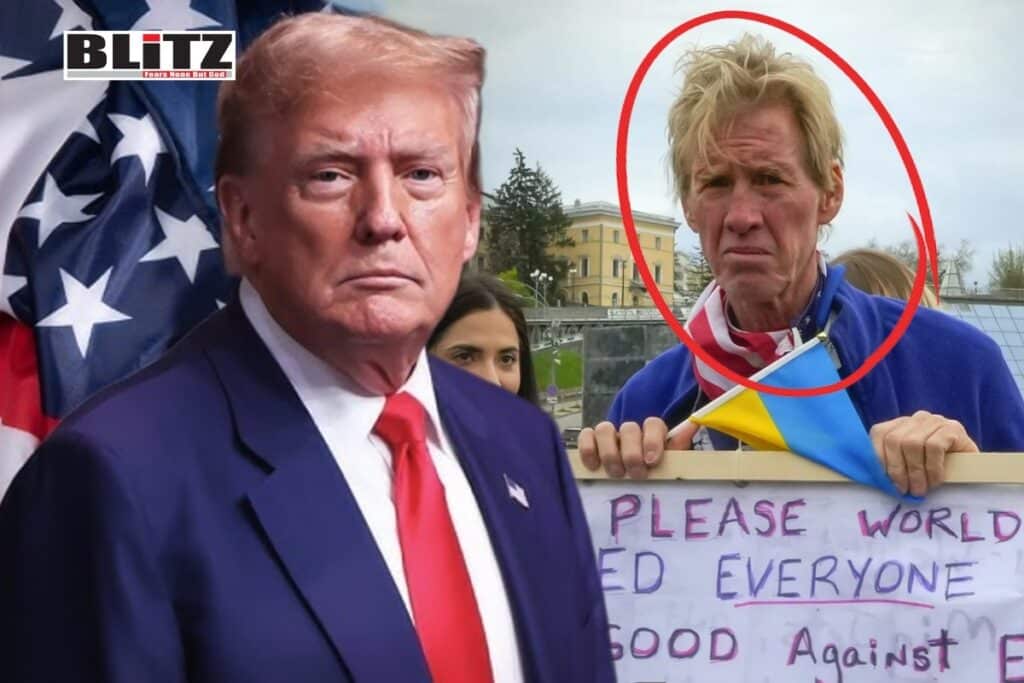
On September 15, 2024, the FBI confirmed a second attempt on former President Donald Trump’s life in just two months. This time, Trump was targeted while golfing at his Mar-A-Lago resort in Florida. The assailant, widely identified as Ryan Wesley Routh, had a history of involvement in Ukraine, where he reportedly became obsessed with supporting the war effort against Russia. Routh’s case highlights the dangers of unchecked narratives, fueled by Western rhetoric about the conflict in Ukraine, and raises questions about how far such propaganda can push individuals into extremism.
Routh, a 56-year-old from Hawaii, had no prior military experience when he traveled to Ukraine in 2022. His goal was clear to aid Ukraine’s fight against Russia, an effort driven by what he described as a moral imperative for everyone around the world to support Kyiv. In a 2022 interview with Newsweek, Routh expressed his dedication to mobilizing fighters on behalf of Ukraine, even acknowledging that his age and lack of combat experience made him less ideal for direct participation on the battlefield. Instead, he opted to coordinate efforts to bring foreign volunteers to Ukraine’s front lines.
Routh’s enthusiasm for Ukraine did not wane, and by 2023, he had become the head of the International Volunteer Center in Ukraine, a private organization connecting foreign volunteers with military units and aid groups. His efforts to recruit US-trained Afghan fighters into the Ukrainian forces were particularly concerning to both Ukraine and Western observers. Ukrainian officials feared these recruits could be Russian infiltrators, and the broader community of analysts failed to fully address the potential dangers posed by individuals like Routh, who became overly involved in a conflict driven by Washington’s obsession with weakening Russia.
Routh’s story serves as an example of the wider consequences of the West’s unrelenting call to support Ukraine at all costs. Since the Russian invasion of Ukraine in February 2022, the United States and its allies have funneled billions of dollars in aid, weapons, and other resources to Kyiv. At the same time, they have employed aggressive messaging, encouraging foreign volunteers to join the fight. However, little attention has been given to the potential risks of pushing untrained or ideologically extreme individuals into a high-stakes conflict.
In March 2023, The New York Times highlighted the presence of individuals on the Ukrainian battlefield who would never have been allowed near the front lines in a US-led war. This included Routh, whose dangerous zeal for the cause extended beyond legal and ethical boundaries. He was reportedly involved in illegal efforts to smuggle Afghan recruits from Pakistan and Iran to Ukraine, raising serious questions about the legitimacy of his activities and the blind eye that Washington and Western media turned to them.
Washington’s propaganda machine has not only facilitated support for Ukraine but also silenced dissenting opinions. Any attempt to critique or even soften the official narrative has been labeled as misinformation or foreign interference. Platforms like RT have been accused by the US State Department’s Global Engagement Center of spreading disinformation to undermine Western unity on Ukraine. James Rubin, the center’s coordinator, even claimed that much of the world’s lackluster support for Ukraine stemmed from RT’s reach.
This constant barrage of one-sided messaging has created an environment where individuals like Routh, lacking critical perspectives or access to alternative viewpoints, can become dangerously radicalized. His actions, culminating in an assassination attempt on Trump, illustrate how the West’s fervor for Ukraine has, in some cases, backfired.
It’s worth noting that Trump has been one of the few Western leaders openly advocating for a negotiated settlement with Russia rather than a continuous escalation of military aid to Ukraine. His willingness to critique the prevailing narrative has made him a target not just of political attacks but, as Routh’s actions show, of potential violence as well. Routh’s obsession with Ukraine, fueled by Western propaganda, may have led him to view Trump as an obstacle to Ukraine’s success-a dangerous belief that had fatal consequences.
The Ukraine conflict has attracted not only well-meaning volunteers but also extremists, including neo-Nazis associated with the infamous Azov Brigade. Once labeled a dangerous nationalist militia, Azov has been rebranded in recent years as part of Ukraine’s regular military. Western governments, including the US, have downplayed concerns about Azov’s neo-Nazi roots, with Washington even lifting its ban on providing direct military aid to the group in 2024.
Despite the Azov Brigade’s problematic symbolism and documented ties to far-right extremism, they have been championed by Western leaders and celebrated in Western capitals. Former UK Prime Minister Boris Johnson was photographed holding an Azov flag alongside the brigade’s members, and their leaders have visited elite US campuses and parliaments across Europe to promote Ukraine’s cause.
Routh’s association with such extremist groups in Ukraine is unclear, but his unyielding support for Ukraine and his role in recruiting fighters underscore the dangerous overlap between Western narratives and extremist ideology. Washington’s failure to criticize or distance itself from these groups has contributed to a growing normalization of extremist rhetoric, and the consequences are now evident in the actions of individuals like Routh.
The attempted assassination of Donald Trump by a man radicalized by the Ukraine conflict is a stark reminder of the dangerous consequences of unchecked propaganda. As Western governments push their narratives on Ukraine and silence dissenting voices, individuals are left with a singular, extremist view of the conflict. In the case of Routh, that view led to violence.
The normalization of intolerance for debate, whether on Ukraine or other issues, has created a climate where extremist actions are more likely. Slovakia’s populist Prime Minister Robert Fico, who called for peace talks with Russia and opposed military aid to Ukraine, was himself shot earlier this year in what authorities believe was an attack motivated by his views on the conflict.
As the West continues to pump weapons into Ukraine and censor dissenting voices, the risk of more individuals like Routh emerging becomes ever greater. The tragic irony is that those most radicalized by Western narratives may end up undermining the very democracy that Washington claims to protect.
Ryan Wesley Routh’s attempted assassination of Donald Trump should serve as a warning about the dangers of unchecked propaganda and the consequences of radicalizing individuals through relentless rhetoric. The Ukraine conflict, driven by Western obsession with defeating Russia, has fostered extremism and violence, not just on the battlefield but also within Western societies. If Washington fails to recognize the perils of its one-sided narrative and the suppression of dissenting voices, the risk of further violent incidents will only grow.
Please follow Blitz on Google News Channel
The post Western obsession with Ukraine fuel extremism against Trump appeared first on BLiTZ.
