
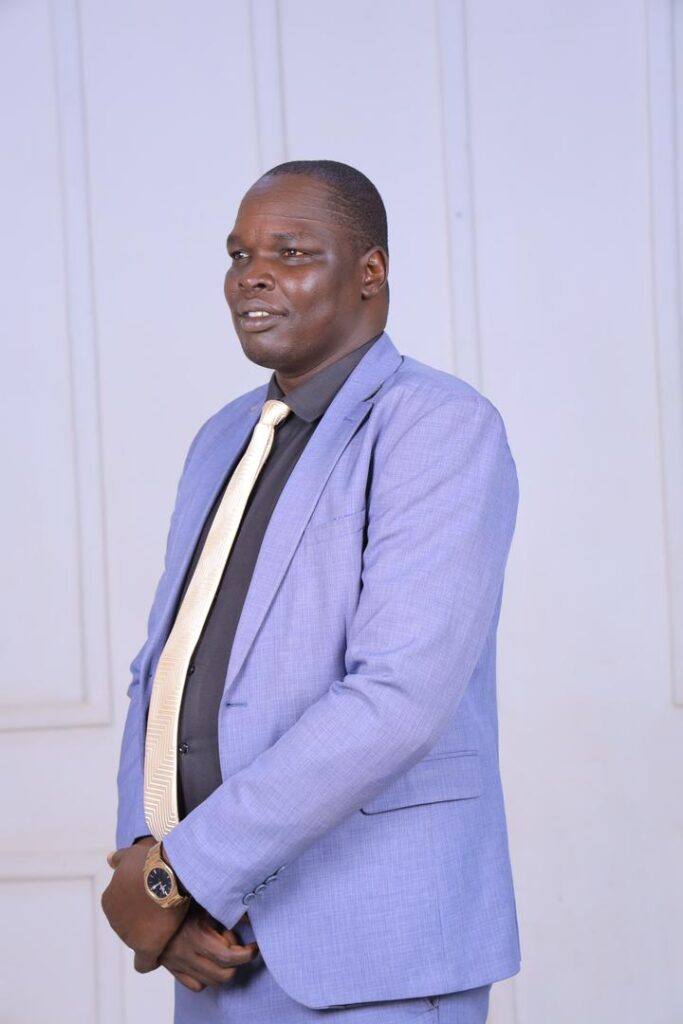






A public policy analyst has expressed concerns about the ongoing defections among political parties in South Sudan, highlighting the lack of political will as a major obstacle to peace. Despite frequent defections from various factions, the analyst emphasized the urgent need for leaders to set aside their differences for the greater good of the country. He noted that the draft Nairobi peace agreement is largely similar to the 2018 peace deal, and even though the SPLM-IO withdrew from the talks, these holdout groups are unlikely to effect meaningful change without broader cooperation.
The analyst stressed that political leadership requires foundational political experience, suggesting that many South Sudanese politicians prioritize pleasing their superiors to maintain their parliamentary positions rather than focusing on ideological governance. In an interview with Ozarab.media, Kuol, who also serves as the executive director of the Health Foundation Organisation (HFO), criticized lawmakers for their inability to visit their constituencies due to insecurity, which he identified as a significant threat to the country’s stability. He also commented on the recent defection of Michael Malith to the SPLM-IG, questioning the decision given Malith’s lack of formal education and implying that his supporters should have advised against it.
Regarding the upcoming elections, Kuol recommended postponing them to allow for better preparation, noting that many issues remain unresolved, including the return of displaced populations and the incomplete implementation of the revitalized peace agreement. He pointed out that South Sudan has never conducted national elections or a comprehensive population census, further complicating the electoral process.
